
Getting braces means adjusting how you eat. The brackets bonded to your teeth and the wires connecting them work together to shift your smile into alignment. But they can break under pressure from the wrong foods. When a bracket pops off or a wire snaps, you’re looking at an extra visit to get things fixed and possible delays in your treatment timeline. At Comfort Dental Braces, Dr. Steve Clawson, DDS and the team see this happen often enough to know that a few simple habits can save patients real time and frustration.
Smart food choices do more than protect your braces. They also help you stay comfortable, especially during the first few days after getting braces or following an adjustment. Your teeth are already doing a lot of work. The right foods make that process easier on you.

What Foods Should You Avoid With Braces?
The five most important braces eating tips are simple: skip sticky foods, avoid hard foods, cut produce into small pieces, limit sugar and acid, and choose gentle options after adjustments. Your braces are strong, but they’re not invincible. Here are the five tips Dr. Clawson and the team at Comfort Dental Braces share with every patient.
Why Should You Skip Sticky and Chewy Foods?
Caramel, taffy, gummy candies, and chewing gum are off the menu. These sticky treats grab onto brackets and pull them right off the tooth surface. Even foods that don’t seem that sticky, like fruit snacks or chewy granola bars, can cause trouble. The pulling motion puts stress on the adhesive bond, and once a bracket loosens, it stops doing its job.
What Hard and Crunchy Foods Should You Avoid?
Ice is the biggest culprit here. Chewing on ice cubes can snap a wire or knock a bracket loose in one bite. Hard candies, nuts, and crunchy chips fall into the same category. If you have to really crunch down on something, it’s probably not safe for braces.
How Should You Eat Hard Fruits and Vegetables?
You don’t have to give up apples, carrots, or corn on the cob entirely. You just need to change how you eat them. Slice apples thin, cut carrots into coins or small sticks, and shave corn off the cob before eating. Biting directly into hard produce puts pressure on your front brackets, which are the most vulnerable.
Why Should You Limit Sugary and Acidic Foods?
Brackets create small spaces where food particles love to hide. Sugary drinks, candy, and acidic foods like citrus or soda can lead to plaque buildup around the brackets. Over time, this causes white spot lesions, areas of decalcification (mineral loss from enamel) that show up as permanent marks on your teeth once braces come off. Rinse with water after eating and brush as soon as you can.
What Should You Eat During Adjustment Periods?
The first week with braces and the days following each adjustment are when your teeth feel the most tender. This is the perfect time for gentle options like yogurt, mashed potatoes, scrambled eggs, smoothies, and pasta. Your teeth are moving, and easy-to-chew meals let you eat comfortably without adding extra pressure.
What Are the Benefits of Braces-Friendly Eating?
Following a braces-friendly diet protects your hardware, your enamel, and your overall treatment timeline. The payoff shows up in fewer surprise visits, better-looking results, and a more comfortable experience day to day.
How Does It Protect Your Treatment Timeline?
When brackets stay in place and wires stay intact, your treatment stays on schedule. Every broken bracket means another repair visit pulled out of your week. Setbacks from broken hardware can add weeks or even months to your timeline, so eating smart is one of the easiest ways to finish on time.
How Does It Protect Your Teeth and Comfort?
Limiting sugar and keeping your teeth clean around brackets protects your enamel from cavities and white spots. You want healthy teeth under those braces. Gentle meals during sensitive periods also mean you can eat without wincing. Your gums and cheeks will thank you, and the teeth that emerge on the day your braces come off will look their best.
A few more quick wins worth noting:
- Fewer broken brackets and emergency visits. Avoiding damage means fewer surprise trips to the practice.
- Better long-term results. Teeth that stay cavity-free and move according to plan finish stronger.
- Less daily hassle, too. No frantic calls about a popped bracket the night before a big event.
Foods to Skip vs. Braces-Friendly Alternatives
You don’t have to feel deprived. For most foods on the no list, there’s a satisfying swap:
| Skip This | Try This Instead |
|---|---|
| Popcorn | Soft pretzels or puffed cereal |
| Whole apples | Sliced apples or applesauce |
| Hard pizza crust | Soft center of pizza or pasta dishes |
| Chewy bagels | Soft bread, pancakes, or French toast |
| Nuts | Smooth peanut butter or almond butter |
| Hard candy | Smoothies, yogurt, or soft chocolate |
| Corn on the cob | Corn cut off the cob |
| Ice cubes | Cold water or smoothies |
The goal is to satisfy the same craving without putting your braces at risk. Get creative with it.
The Hidden Cost of Eating the Wrong Foods
A broken bracket is more than a minor annoyance, it adds real cost in time and progress. When something breaks, you need to schedule a repair visit. That’s time away from work, school, or whatever else you had planned. It’s also time your braces aren’t working the way they should.
Orthodontists widely report that broken appliances are one of the most common reasons for extended treatment time. Each repair can push your finish date back. If damage happens repeatedly, you might face added costs depending on your insurance coverage and treatment agreement.
Then there’s the issue of decalcification, the loss of minerals from your enamel. Sugary and acidic foods create an environment where bacteria thrive around brackets. The white spot lesions that develop aren’t just cosmetic concerns during treatment. They can become permanent marks that require more dental work after your braces come off. Prevention is much simpler than treatment.
Who Needs to Be Most Careful With Braces Diet
Everyone with braces should pay attention to what they eat, but some patients need to be extra mindful:
- New braces patients. The first one to two weeks are an adjustment period. Your mouth is getting used to the hardware, and your teeth are starting to move. Gentle meals and careful eating make this transition smoother.
- Patients right after adjustments. Your teeth feel tender because they’re actively shifting. Stick to easy foods for a few days.
- Kids and teens. Frequent snacking is normal at this age, but it means more chances for something to go wrong. Building good habits early helps.
- Athletes. Sports drinks are acidic, and chewy energy bars or gels can damage brackets. Plan ahead with braces-safe alternatives.
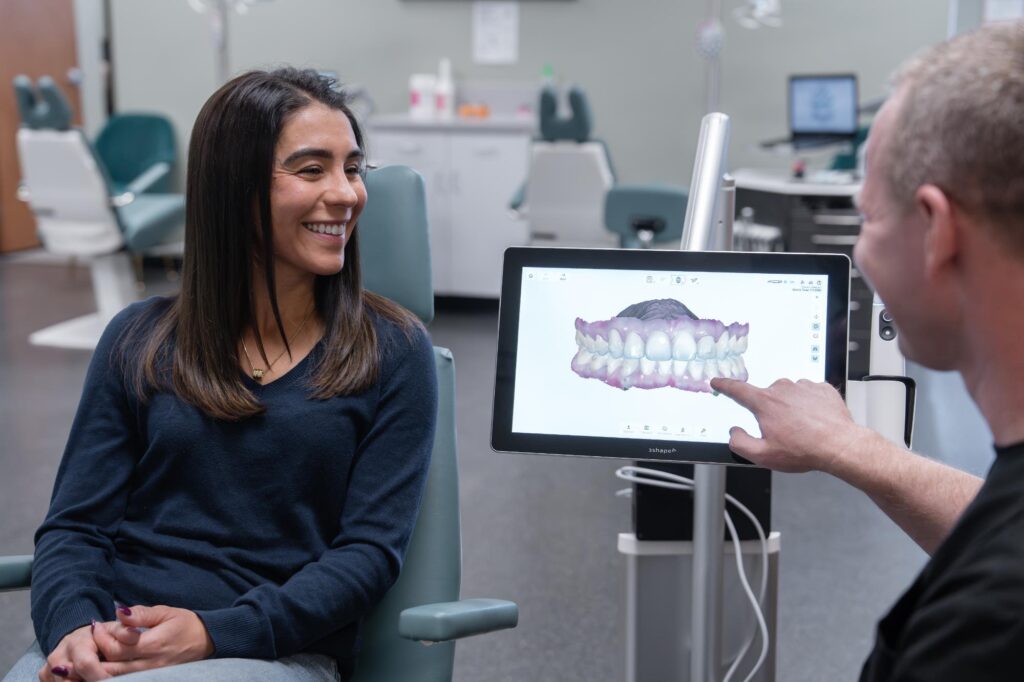
- Adults weighing their options. If food restrictions feel like a lot, ask about clear aligners. Since aligners are removable, you can eat whatever you want during treatment. You just take them out for meals and put them back in after brushing.
Frequently Asked Questions About Eating With Braces
Can I eat pizza with braces?
Yes, pizza is usually fine. Stick to the soft center and avoid biting into thick, hard crusts. Cut your slices into smaller pieces if the crust is particularly chewy or crunchy.
What can I eat the first week with braces?
Focus on gentle options that require minimal chewing. Yogurt, smoothies, mashed potatoes, scrambled eggs, oatmeal, soup, and tender pasta are all good choices. Your teeth will be sore, so give them a break.
Is it okay to drink soda with braces?
It’s best to limit soda. The sugar and acid can cause decalcification around your brackets, leading to white spots on your teeth. If you do have soda once in a while, rinse your mouth with water afterward and brush when you can.
Can I chew gum with braces?
No. Gum sticks to brackets and wires and can pull them loose. Even sugar-free gum creates problems because of its sticky texture. Skip it until your braces come off.
What should I do if I break a bracket from eating?
Call your orthodontic practice to schedule a repair visit. In the meantime, if the bracket is still attached to the wire but loose, leave it in place. If a wire is poking your cheek, you can use orthodontic wax to cover the sharp end until your visit.
Are clear aligners better if I don’t want food restrictions?
Clear aligners are a great option for patients who want flexibility. Since you remove them to eat, there are no food restrictions during treatment. A free consult with an orthodontic provider can help you decide if aligners are right for you
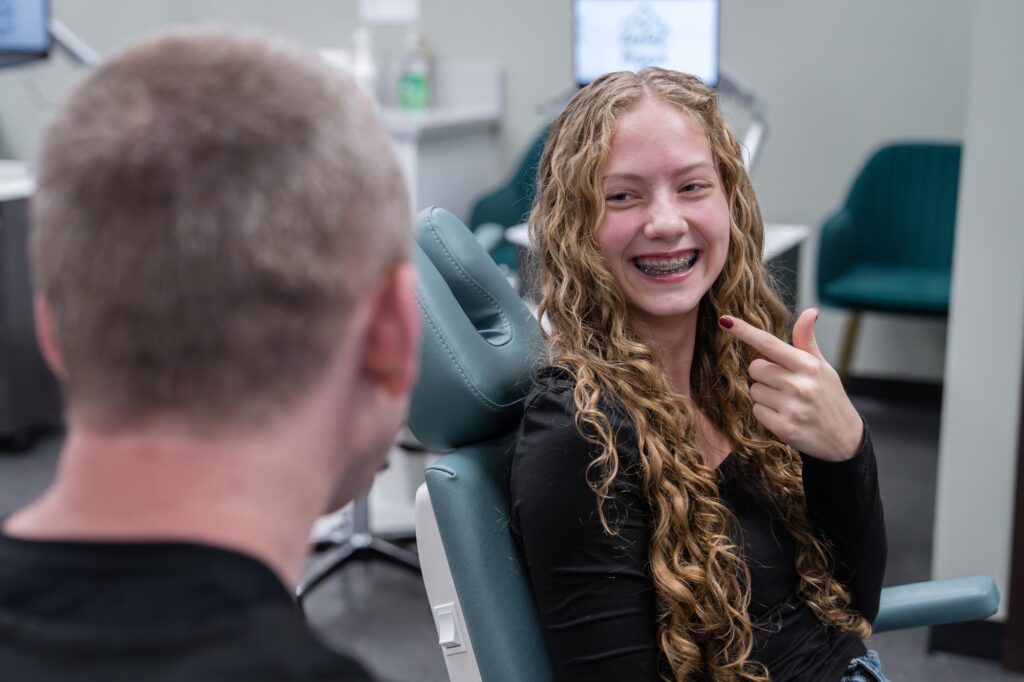
Eating well with braces isn’t about giving up the foods you love. It’s about making smart swaps, paying attention during the tender days after an adjustment, and keeping your teeth clean around all that hardware. Stick with these habits and your treatment will move along the way it’s supposed to, with fewer surprises and a better-looking result when the braces finally come off.
Need help deciding whether braces or clear aligners are the right fit? Explore our treatment options, learn more about metal braces, clear braces, or clear aligners, or schedule a free consultation with Comfort Dental Braces. We welcome patients from our Lakewood orthodontic office and Federal Way orthodontic office.