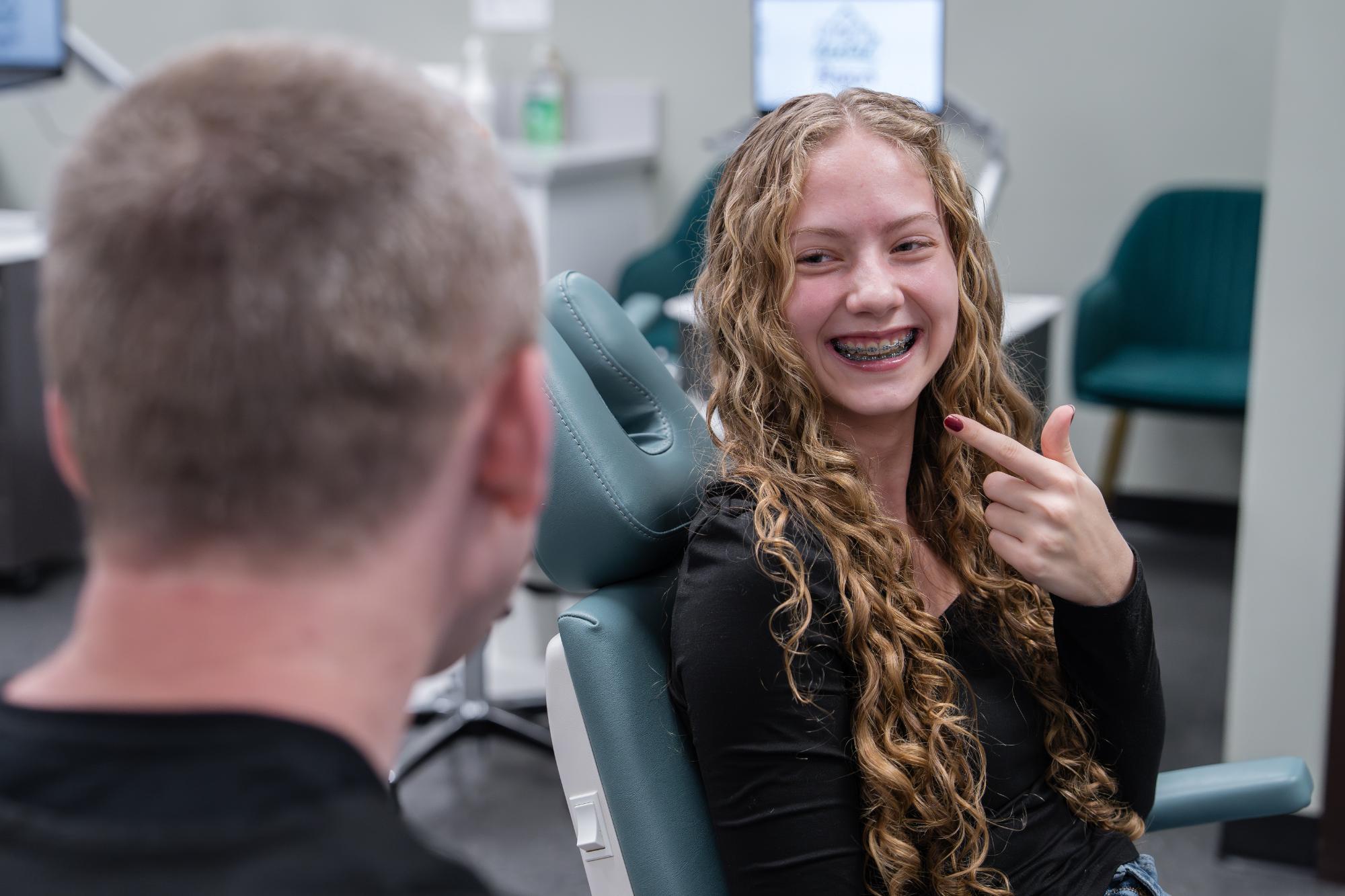
So your braces are off, or your last aligner tray is in the drawer. Congratulations! Now comes the part that protects everything you just accomplished: wearing your retainer after braces. At Comfort Dental Braces, Dr. Steve Clawson and the team want you to feel confident about what comes next, because how you handle retainer wear directly shapes your long-term results.
Here’s what you need to know to keep your smile looking the way you love it. A few simple habits now will save you from bigger issues later, and we’ll walk through every one of them below.

What Is a Retainer and Why You Need One After Braces
A retainer is a custom orthodontic appliance that holds your teeth in their new, corrected position after braces or clear aligners. It keeps your results stable once active treatment ends, which is exactly when your teeth are most at risk of moving.
Right after braces come off, the bone and periodontal ligaments around your teeth are still remodeling. The tissues haven’t fully “set” around the new positions, which means teeth can drift back toward where they started. On top of that, teeth naturally shift throughout life (yes, even in people who never had braces), so retention matters at every age.
Think of your retainer as protection for the time, effort, and investment you put into your smile. Retainers come in three main styles: Hawley retainers (acrylic with a wire), clear Essix-style retainers, and bonded retainers that sit permanently behind your front teeth. Each has a role, and Dr. Clawson will recommend the option that best fits your bite, lifestyle, and goals.
How Long to Wear Retainers After Braces: The Timeline
Most patients wear retainers full-time for the first 4 to 6 months after braces, then transition to nighttime-only wear for life. Specific timing depends on your case, but the general framework is consistent across orthodontics.
Here’s the typical schedule orthodontists use:
- Phase 1 (first 4-6 months): Full-time wear, around 20-22 hours per day. Take your retainer out only to eat, drink anything other than water, and brush. This is when teeth are most likely to shift, so consistency matters most.
- Phase 2 (months 6-12): Once your bite stabilizes, you’ll likely move to nighttime-only wear. Teeth hold their position during the day, and the retainer locks things in overnight.
- Phase 3 (year 1 and beyond): Indefinite nighttime wear. Many orthodontists recommend wearing your retainer at night for life to prevent age-related shifting.
Why do schedules vary? A few reasons:
- Case complexity (more rotation or spacing often means longer full-time wear)
- Age at treatment
- Bite type and muscle habits (like clenching)
- Whether you have a bonded retainer backing things up
One signal to watch for: if your retainer feels tight after you’ve skipped a night or two, that’s your teeth telling you they’re already trying to move. Pop it back in and get back on schedule.
How to Make Your Retainer Last: Daily Care Tips
Good care can extend the life of a removable retainer and keep a bonded retainer working for years. Each step below plays a real role in protecting your appliance and your smile.
Daily care:
- Clean it every day with a soft toothbrush and mild hand soap or dish soap. Skip toothpaste, which contains abrasives that scratch clear plastic and create cloudy haze over time.
- Rinse with lukewarm water every time you take it out. Saliva, plaque, and food particles build up fast if you don’t.
- Never use hot water. Heat warps the plastic and can permanently distort the fit.
Weekly care:
- Soak in a retainer cleaning tablet (like Retainer Brite or Polident) once a week to lift stubborn buildup.
- A diluted white vinegar soak (equal parts vinegar and water for 15-20 minutes) is a natural alternative, followed by a thorough rinse.
Storage habits that save retainers:
- Always store it in a ventilated case. Closed cases without airflow trap moisture and bacteria.
- Never wrap it in a napkin. This is the number-one reason retainers end up in the trash.
- Keep it away from heat: hot cars, dishwashers, boiling water, direct sunlight. All of these can warp a retainer in minutes.
What to avoid:
- Bleach, alcohol-based mouthwash, and harsh cleaners (they break down plastic and can leave residues)
- Chewing gum or eating with it in
- Letting pets near it (dogs love to chew retainers, and this happens more than you’d think)
If you have a bonded retainer, floss daily using a floss threader or a water flosser to keep the wire and your gumline healthy. Building this into your regular bedtime routine makes it almost automatic within a couple of weeks.
Types of Retainers: Hawley vs. Clear vs. Bonded
Next, the right retainer for you comes down to a few practical factors. Your daily routine, how your teeth finished treatment, and how comfortable you are with visible hardware all play a part. Here’s a side-by-side look:
| Feature | Hawley Retainer | Clear (Essix) Retainer | Bonded (Permanent) Retainer |
|---|---|---|---|
| Appearance | Visible acrylic and wire | Nearly invisible | Hidden behind front teeth |
| Typical lifespan | Several years with care | 6-12 months on average | Can last many years |
| Removable? | Yes | Yes | No, fixed in place |
| Adjustable? | Yes, by your orthodontist | No, must be replaced | Repairable, not adjustable |
| Comfort | Firmer feel, takes adjustment | Snug and smooth | Unnoticeable once bonded |
| Compliance needed? | Yes, must remember to wear | Yes, must remember to wear | No, always working |
| Flossing | Standard | Standard | Requires threader or water flosser |
Hawley retainers are the classic design: a thick acrylic plate shaped to the roof or floor of your mouth with a wire that curves across your front teeth. They’re the most durable option and can be adjusted if minor tweaks are needed. The tradeoff is visibility.
Clear retainers look like thin, transparent trays, similar to clear aligners. They’re the most discreet removable choice, which is why many adults prefer them. They do wear out faster than Hawleys, especially if you grind your teeth at night.
Bonded retainers are a thin wire cemented to the back of your lower (and sometimes upper) front teeth. There’s nothing to remember and nothing to lose. The catch is that flossing takes a little more effort, and if the wire breaks, you’ll need a quick repair visit.
Many patients end up with a combination: a bonded retainer on the lower teeth and a removable one for the upper. Dr. Clawson will walk you through what makes sense for your smile during your retainer visit.
When and Why to Replace Your Retainer
Retainers don’t last forever, and recognizing when yours needs replacing is part of protecting your results. Here are the typical timelines:
- Clear retainers: Often need replacement every 6-12 months as the plastic fatigues
- Hawley retainers: Can last several years with proper care
- Bonded retainers: Can last many years but should be checked at every dental visit
Signs it’s time for a new retainer:
- Visible cracks, chips, or splits
- Warping or an uneven bite when inserted
- Permanent cloudiness or discoloration that cleaning won’t fix
- Odor you can’t scrub out
- Loose, sloppy fit (or the opposite, meaning new tightness)
- Missing clasps or a broken wire
Replacing a retainer on schedule is far less of a hassle than correcting teeth that have shifted back. If something feels off, bring your retainer to your next checkup so your orthodontist can assess fit and condition before issues develop. A quick look during a routine visit often catches small concerns early.
What Happens If You Stop Wearing Your Retainer
Teeth start shifting faster than most people expect. Here’s what typically happens when retainer wear stops:
- Within 1-2 weeks: Minor shifting begins. Your retainer may feel noticeably tight when you put it back in.
- Within 1-3 months: Movement becomes visible. Your retainer may no longer fit at all.
- Within 3-6 months: Significant relapse. Retreatment with braces or clear aligners is often needed to correct the shift.
Key rule: never force a retainer that no longer fits. Forcing it can damage your teeth, your gums, and the appliance itself.
If it’s been months (or years) since you’ve worn yours, don’t give up on your smile. Reach out to Comfort Dental Braces for a free consult. Dr. Clawson can evaluate how much movement has happened and talk through the best path forward, whether that’s a new retainer or a short course of refinement treatment.
Frequently Asked Questions About Retainers
Do I have to wear a retainer forever?
For the best long-term results, yes, at least at night. Teeth continue to shift throughout life, and nightly retainer wear is the simplest way to lock in your smile. Most patients at Comfort Dental Braces find that nighttime wear becomes second nature within a few months.
Can I go 2 weeks without my retainer?
No, that’s long enough for measurable shifting to occur. Teeth can begin moving within just a few days, and by two weeks your retainer may already feel tight or fit poorly. If you’ve gone that long without it, try to reinsert it gently. If it won’t seat fully, call us before forcing it.
Can night retainers straighten teeth?
No. Retainers are designed to maintain alignment, not create it. If your teeth have shifted and you want them straight again, that’s a separate conversation about aligners or braces. Dr. Clawson can walk you through your options at a free consultation.
Why does my retainer feel tight?
Tightness almost always means your teeth have started to drift back. It’s a signal to tighten up your wear schedule, not a sign the retainer is broken. If the fit stays uncomfortable after a few days of consistent wear, schedule a visit so we can check it.
Do adults need retainers too?
Yes. Teeth shift at any age, and adult patients are just as prone to relapse as teens. Because adult bone remodels more slowly, retention is especially important. Whether you finished treatment last month or thirty years ago, retainers protect your results.
How do I know if my retainer needs replacing?
Watch for cracks, cloudiness that won’t clean off, a loose fit, odor, or new tightness. Any of these can mean the retainer has worn out or your teeth have shifted. Bring it to your next visit and we’ll assess whether a replacement makes sense.
Ready to Protect Your Smile?
Whether you’re wrapping up treatment, need a replacement retainer, or haven’t worn yours in longer than you’d like to admit, Comfort Dental Braces is here to help. Dr. Steve Clawson and our team offer free consults at both our Lakewood and Federal Way practices, and we’ll give you straightforward guidance on the best next step.
Lakewood Office 5422 74th Street West, Suite D, Lakewood, WA (253) 474-0196
Federal Way Office 31401 Pacific Highway South, Federal Way, WA (253) 839-1745
Schedule your free consult today at cdbraceswa.com/free-consult and keep the smile you worked so hard for!